Case study — meat processing, New York
The farm that ran on phone calls runs on software now.
Harbs Farm never had a demand problem — customers were already asking for a website where they could book. They had a capacity problem: every booking, every cut-sheet preference, every “is my order ready?” went through a phone call and a piece of paper, and the coordination work was eating the hours the family needed for the actual processing. We digitized the whole operation. Here are the four manual processes that fell.
- of deposits collected up front
- 100%of deposits collected up front
- paid bookings, first week of ads
- 20paid bookings, first week of ads
- search visitors becomes a booking
- 1 in 8search visitors becomes a booking
1Run by phone
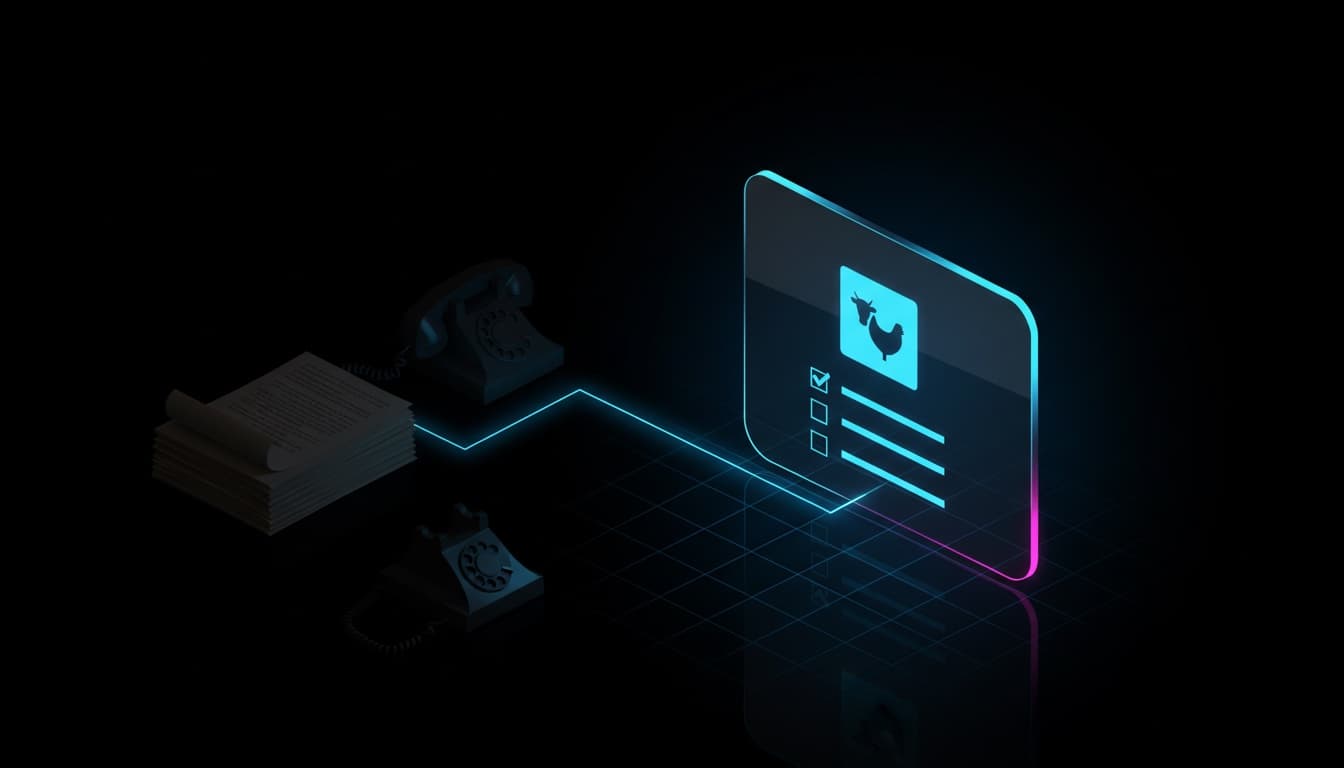
The problem — The phone was the front desk, the order form, and the filing cabinet. Every booking was a call. Cut sheets — how each customer wants each animal processed — were emailed as paper forms or taken down verbally, preference by preference, and noted by hand. Pricing lived in someone's head. During peak season, answering the phone was a full-time job that produced zero pounds of processed meat.
What we did — An online booking system built around the cut sheet: farmers book their own slot, add each animal, and pick exactly how they want it processed — beef broken down primal by primal (chuck as roast or steak, pack sizes for ground, sausage flavors), with separate sheets for lamb, goat, and poultry. The farm's entire rate card is encoded in the system, so the price and the estimate compute themselves as the cut sheet fills in. Nothing gets re-asked at drop-off, and nothing depends on whoever answered the phone that day.
The single biggest chunk of manual coordination — collecting preferences and pricing them — is now done by the customer, correctly, before the animal ever arrives.
2Wasted slots
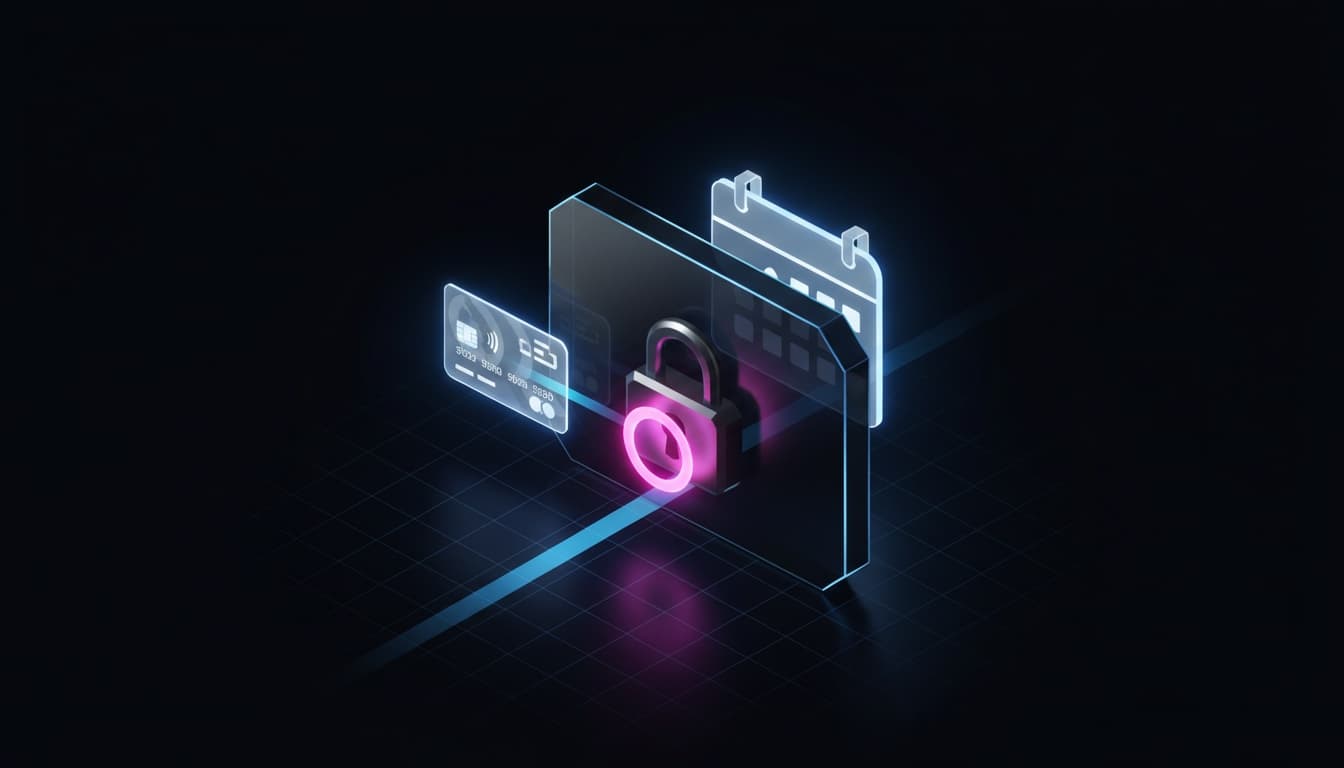
The problem — Processing capacity is the whole business — there are only so many slots in a week. People would book one, then never show up. That slot was gone: it could have gone to a paying customer, and instead it produced nothing.
What we did — A deposit gate, integrated with Square: a booking slot is only reserved once the deposit is paid, and the amount is calculated automatically from what's in the booking — per animal, per species, straight from the cart rules. No deposit, no slot. Under the hood the card is authorized first and captured only after the booking lands, with an hourly reconciliation job that flags any charge that ever ends up without a booking. The owner controls capacity directly too — blocking days and setting per-day caps (500 chickens on a Wednesday, 1,200 on a Friday) from an admin calendar, so the system stops overbooking before it happens.
Every booking on the calendar is now backed by money. In the first week of paid ads, all 20 bookings arrived with the deposit already paid — no-shows stopped costing slots.
3“Is my order ready?”
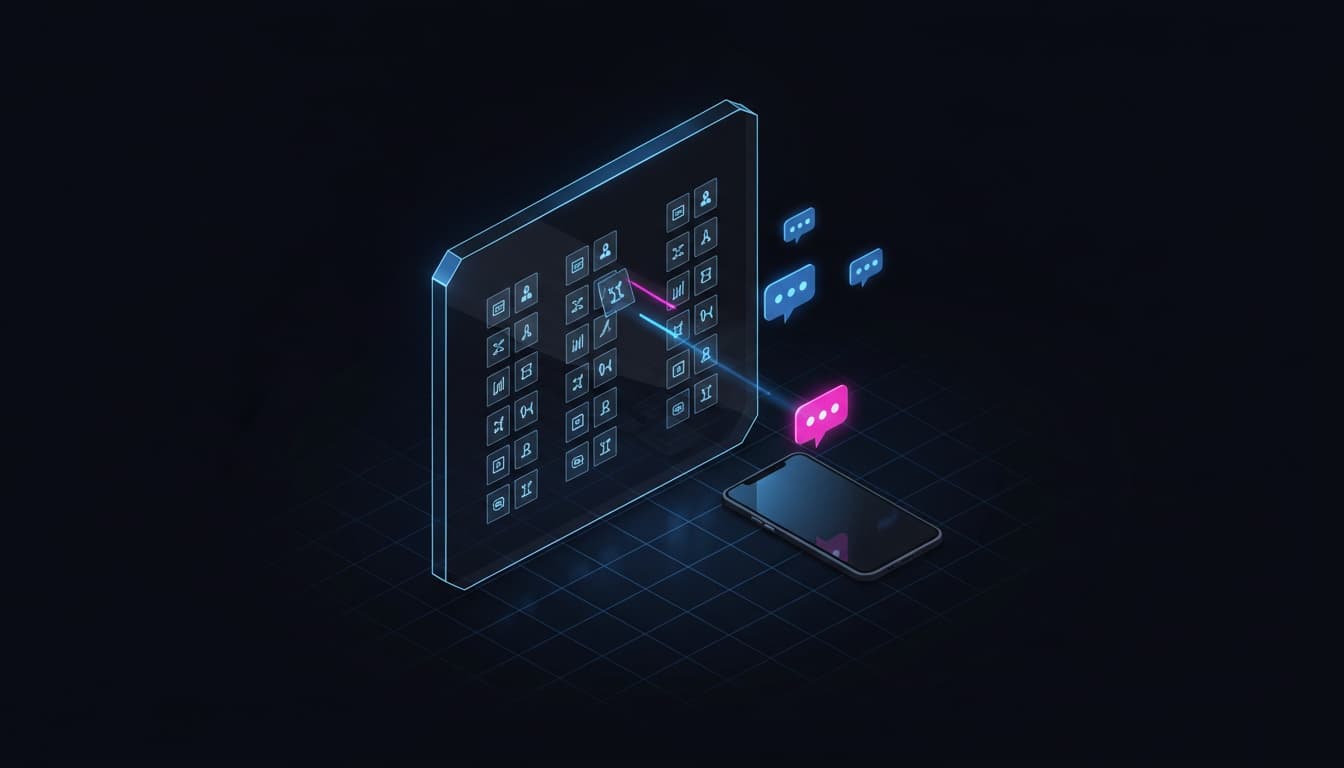
The problem — Once an animal was dropped off, the only way for a customer to know its status was to call — and someone at the farm had to stop working, find out, and call back. Multiply by every active order, every week.
What we did — A kanban board for the processing floor — Dropped Off → Processing → Ready for Pickup → Picked Up. Staff move each order through the stages as they work, and the board is not just internal tracking: every stage move automatically texts the customer, and the one that matters most — “your order is ready for pickup” — arrives with their invoice and a one-tap sign-in link to their account. When customers do still call, an AI receptionist answers, looks up their live order status from the same data, and handles the routine questions.
Customers stopped needing to call, and the farm stopped playing switchboard. The same board the staff already use to run the floor is the thing that keeps every customer informed.
4The back office
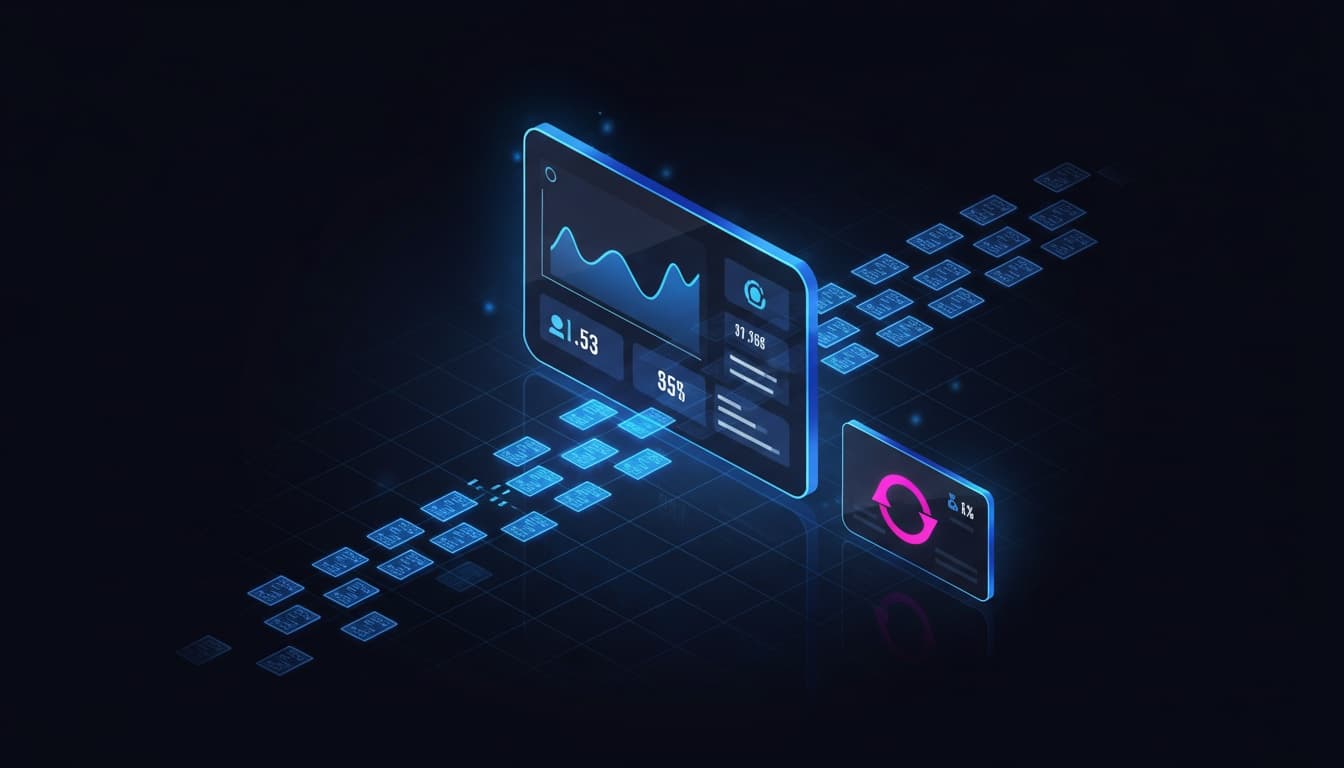
The problem — Invoicing was manual — hours of it — and financial visibility was whatever could be reconstructed from paper, memory, and the bank statement. Customers had no way to see an invoice or change a booking without another phone call.
What we did — Automated invoicing generated straight from the cut-sheet data the system already holds — the same numbers the floor entered, priced by the same rate card, editable line by line when reality differs. Every invoice and order flows into one admin dashboard with a live revenue view the owners can actually plan against. And customers got a portal of their own: their invoices, their bookings, and the ability to reschedule a slot themselves.
The invoicing hours are gone, the paper is gone, and for the first time the farm has a live financial overview of its own operation.
One platform, and what's next
Bookings, cut sheets, deposits, the processing board, customer notifications, the portal, and invoicing all run as one system — the coordination work that used to bury the family now happens on its own. With the capacity problem solved, the engagement has moved to the growth side: ad campaigns with real conversion tracking are already filling the calendar (20 paid bookings in week one, roughly 1 booking per 8 search visitors). Next up: wiring the processing line itself into the platform — scales and machines feeding weights straight into orders and invoices, no manual entry anywhere from ad click to pickup.
Built with Next.js · Supabase (Postgres + phone-OTP auth) · Square (deposits & payments) · Twilio SMS · Resend email · Retell voice AI · Meta Pixel + CAPI · Vercel.
Still running your operation by phone?
If coordination work is eating your capacity, we'll build the system that absorbs it.